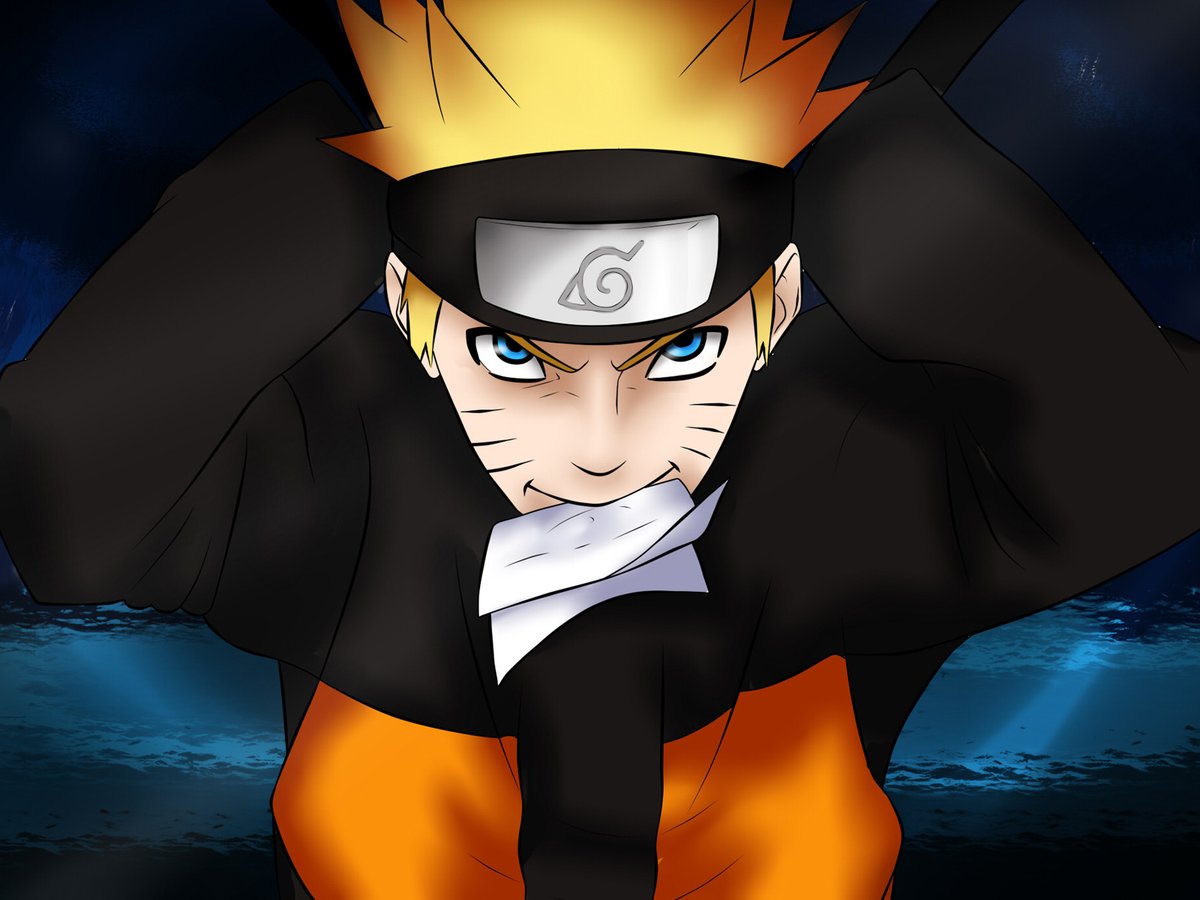
The query "Naruto Uzumaki in Death Note explained" often sparks confusion, and for good reason: Naruto Uzumaki, the iconic Seventh Hokage, is definitively not a character within the Death Note universe. These two monumental series, while both cornerstones of modern anime and manga, exist in entirely separate fictional worlds, each with its unique lore, characters, and narrative style.
This hub article aims to clear up any misunderstandings, first by illustrating just how distinct Naruto and Death Note truly are. Then, we'll dive deep into the fascinating and complex situation surrounding Naruto Uzumaki's actual "death" within his own continuity, the Boruto series. This narrative twist has left fans reeling and serves as a powerful, dramatic development that, while not involving any Shinigami, carries a weight that might prompt comparisons to the definitive conclusions often found in psychological thrillers like Death Note.
Unpacking the Crossover Myth: Why Naruto and Death Note Are Separate Worlds
For clarity, let's establish upfront: Naruto and Death Note are as different as night and day. Imagine a world of vibrant ninja villages, mystical powers, and a hero striving for peace through perseverance, against a modern metropolis where moral dilemmas are decided by a supernatural notebook. That's the fundamental distinction.
- Divergent Themes and Philosophies: Naruto is a classic coming-of-age saga, championing themes of friendship, redemption, and the relentless pursuit of dreams. It's about teamwork, loyalty, and the belief that effort can overcome any obstacle. In stark contrast, Death Note is a dark psychological thriller that probes the depths of morality, justice, and the corrupting influence of absolute power. It’s a cat-and-mouse game focused on consequences and ethical quandaries. If you're interested, you might want to check out an in-depth review of the Death Note anime itself.
- Distinct Settings and Aesthetics: Naruto's world draws inspiration from Japanese mythology, featuring a fantastical landscape of ninja clans, powerful tailed beasts, and a feudal structure blended with impressive, often over-the-top, action. Death Note, conversely, grounds itself in a contemporary Japan, featuring high-tech surveillance, urban landscapes, and a gritty, realistic atmosphere that emphasizes mental battles over physical ones.
- Artistic Styles Reflecting Tone: Masashi Kishimoto's Naruto employs a stylized, dynamic art style, characterized by exaggerated expressions, bold action sequences, and a vibrant color palette that underscores its energetic and hopeful tone. Takeshi Obata's artwork for Death Note, however, is far more realistic and detailed, utilizing heavy shadows and dramatic lighting to create tension and emphasize the story's darker psychological undertones. The visual language of each series perfectly mirrors their narrative intentions.
The idea of Naruto Uzumaki crossing over into the world of Death Note is a fun thought experiment, but strictly speaking, it's not canon to either series.
The Seventh Hokage's Public "Death": How Naruto Was Written Out of the Story (For Now)
While Naruto isn't facing a Shinigami or the judgment of a Death Note, his journey in the Boruto series has seen him encounter a form of "death" that has shocked fans worldwide. After achieving his lifelong dream of becoming the Seventh Hokage and securing relative world peace after the Fourth Great Ninja War, Naruto bravely defended the shinobi world from formidable Otsutsuki threats. Alongside Sasuke Uchiha, he thwarted Momoshiki and Kinshiki. However, a far more dangerous foe, Isshiki Otsutsuki, emerged, proving even stronger than Kaguya.
In a desperate bid to protect his world and his son, Boruto, Naruto activated Baryon Mode. This devastatingly powerful transformation allowed him to defeat Isshiki but came at a tremendous cost, permanently stripping him of Kurama, his Tailed Beast, and his Six Paths powers. This left him significantly weakened and vulnerable, setting the stage for his dramatic "disappearance." To understand the full extent of this sacrifice, consider exploring how Baryon Mode pushed Naruto to his limits.
The truth is, Naruto Uzumaki is "well and truly alive," though he has been officially declared dead to the rest of the Boruto world. This complex and heartbreaking situation unfolded due to a series of events orchestrated by those closest to him.
The Complex Conspiracy: Kawaki's Desperate Act and Eida's Shinjutsu
Naruto's supposed "death" is intricately linked to Kawaki, whom Naruto had adopted and cherished as his own son. Kawaki, driven by an overwhelming desire to protect Naruto from all Otsutsuki threats, devised a drastic plan: eradicate all remaining Otsutsuki, including Boruto, who serves as a vessel for Momoshiki. Naruto, naturally, vehemently opposed this, refusing to allow any harm to come to his son.
To prevent Naruto from interfering with his mission to "save" him, Kawaki took an extreme measure. He sealed Naruto and his wife, Hinata Hyuga, away in a different dimension known as Daikokuten. This act removed Naruto from the battlefield, but Kawaki didn't stop there. He later leveraged the incredibly potent Shinjutsu abilities of Eida to rewrite history itself. For a comprehensive look into these powers, read the full scope of Eida's Shinjutsu abilities and their impact.
As a result of Eida's Shinjutsu, a new reality was forged: Kawaki is now perceived across the shinobi world as the Seventh Hokage's biological son, while Boruto is mistakenly believed to be an orphan who betrayed and murdered the very Hokage who had shown him kindness. To solidify this new narrative, Kawaki instructed Eida to officially declare Boruto Uzumaki as the killer of the Seventh Hokage, Naruto. Thus, Naruto Uzumaki is publicly declared dead, a sacrifice for the peace Kawaki believed he was creating. This pivotal moment drastically altered the evolving and complex relationship between Boruto and Kawaki.
Daikokuten and the Promise of a Stronger Return
Naruto's actual location is Daikokuten, a dimension with unique properties. Crucially, "time does not flow" within Daikokuten. This means that Naruto will not age a single day, nor will he experience hunger or thirst during his imprisonment. The Boruto storyline is progressing toward a significant 4-year timeskip, throughout which Naruto will remain officially "dead" and sealed away. His absence from the main stage creates a profound void that Boruto and the remaining shinobi must navigate.
However, his return is not just anticipated; it's practically guaranteed and highly speculated upon by fans. Many believe his time in Daikokuten, where literal "millions of years" could pass relative to the outside world, could serve as an unprecedented training period. He could potentially emerge "several times stronger" upon his eventual release, ready to face the world transformed by his absence. For more details on this mysterious location, consider everything you need to know about the Daikokuten dimension. The strategic implications of this prolonged absence and eventual return are immense, and a deeper dive into Naruto's sealing and its strategic implications offers further insights.
The ultimate showdown between Boruto and Kawaki is expected to be the catalyst for Naruto's freedom, paving the way for his heroic comeback. The world awaits his return, wondering what new forms of power and wisdom he might acquire during his timeless imprisonment. To delve into future predictions, don't miss theories surrounding Naruto's highly anticipated return.
Though Naruto Uzumaki is not, and never has been, a character in Death Note, his current storyline in Boruto involves a profound "death" that carries immense narrative weight, impacting the entire shinobi world. His journey from an ostracized orphan to the strongest shinobi and beloved Hokage, as detailed in how Naruto's Hokage powers stack up against other Kage, has always been one of overcoming adversity. His current predicament is just another chapter in that saga, and fans eagerly await the day the Seventh Hokage once again steps onto the battlefield, more formidable than ever.